
Autistic people often experience co-occurring physical and mental health conditions which can affect their quality of life. In this research programme, we will conduct randomised control trials (RCTs) to evaluate what kinds of interventions might improve autistic people’s quality of life. RCTs are the gold standard in medical research for establishing if an intervention is effective, and for whom. An example is our RCT of music therapy for young autistic children, and in this programme we will consult with the autism community, both autistic adults and parents of autistic children, to identify promising interventions that are priorities for them, that are in need of careful scientifically robust evaluation.
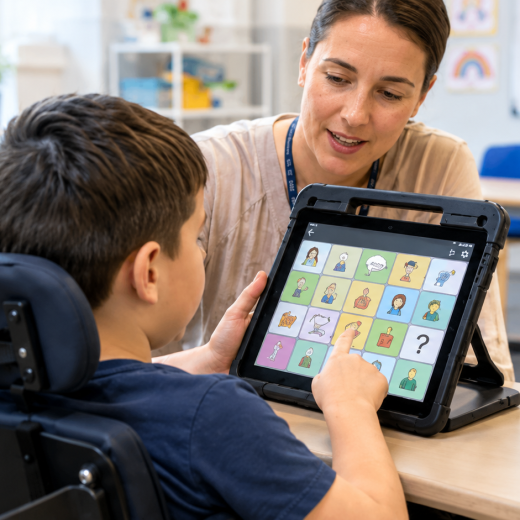
Such evidence is essential for parents and autistic people to make informed choices about whether an intervention is worth trying, and is safe. We are particularly interested to evaluate interventions for autistic people who have been neglected in autism research, such as minimally verbal or non-verbal autistic children, who may experience increased levels of frustration and frequency of meltdowns, including self-injury, when they cannot easily communicate when they are in distress.
We will choose outcome measures in RCTs with the autism community, to ensure that interventions are targeting indicators of quality of life that are their priorities, rather than core features of autism, in line with our Values of respecting and accepting autism as an example of neurodiversity.
Key publication